Keynote speakers
Our impressive key note speakers will be presented here, updated as they are confirmed.
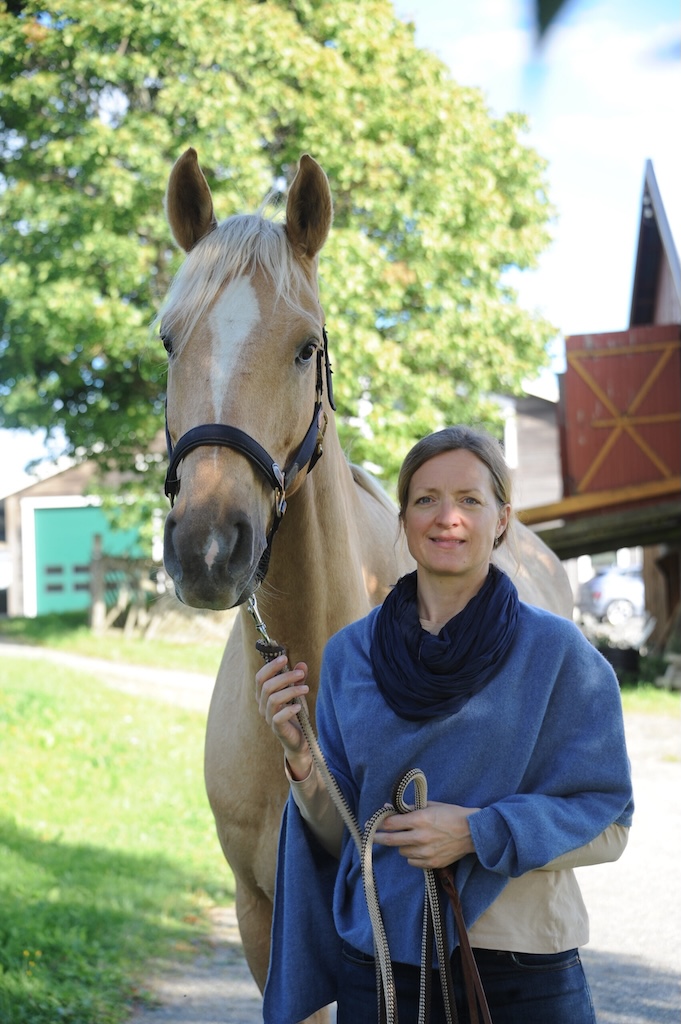
Maria Terese Engell, DVM, PhD
Maria Terese Engell is a veterinarian and researcher specializing in horse rider interaction, with a special focus on rider biomechanics. She holds a PhD based on her pioneering research into how the rider’s position and movement influence equine performance, health, and welfare.
Educated at the University of Veterinary Medicine in Budapest, Engell has worked clinically as an equine veterinarian at Bjerke Dyrehospital and the Norwegian University of Life Sciences (NMBU). She has also held research positions at both the Swedish University of Agricultural Sciences (SLU) and NMBU, contributing to the scientific understanding of horse–rider dynamics.
Her work bridges clinical practice and research, driven by repeated observations that many performance issues and unexplained lameness cases in horses may originate from the rider rather than the horse itself. This insight led to the development of the Rider In Balance (RIB) Method – a structured, research-based approach to rider training grounded in biomechanics.
Today, Engell is recognized for establishing a systematic framework for rider education that emphasizes human objective biomechanical analysis, physical awareness, and evidence-based training.
Maria will also present during practical day.
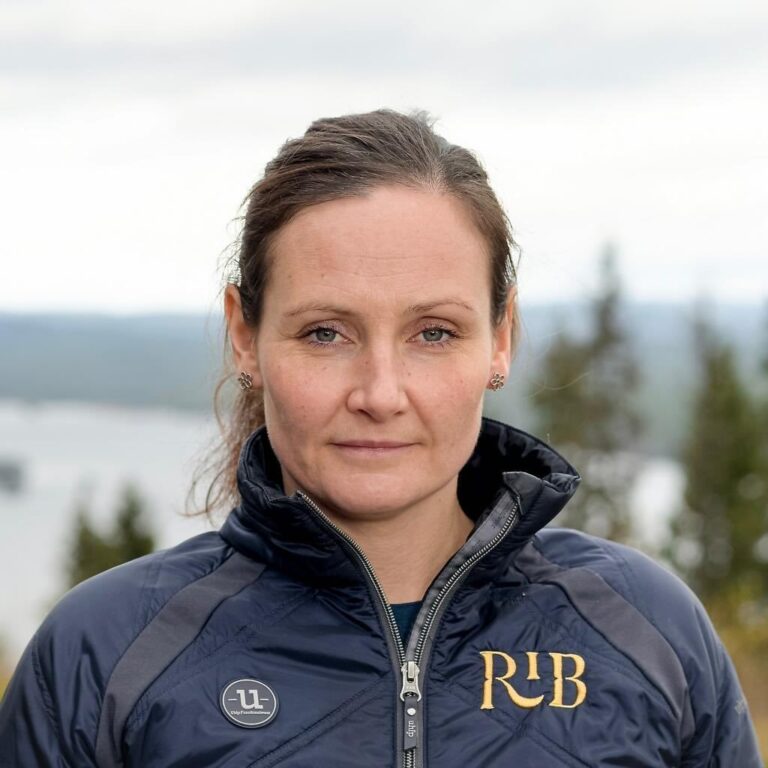
Norunn Kogstad MD, PhD-candidate
Norunn Kogstad is a psychiatrist and psychodynamic psychotherapist specializing in the integration of horses into psychotherapy. She is currently int the final stages of completing her PhD at the Norwegian University of Science and Technology (NTNU), where her research focuses on psychotherapy with horses and the mechanisms underlying their therapeutic contribution.
Educated as a medical doctor and trained in psychodynamic psychotherapy, Kogstad combines clinical expertise with innovative approaches to mental health treatment. In her clinical practice, she incorporates horses into psychotherapy, working directly with the horse–human relationship as a core therapeutic element.
Her research is centred on understanding what it is about horses that makes them particularly suited for inclusion in psychotherapy. She explores relational, experiential, and regulatory processes within horse–human interaction, aiming to develop a more robust theoretical and clinical foundation for this field.
In addition to her clinical and research work, Kogstad provides education and training for professionals in both the equine and mental health fields who wish to integrate horses into their work with clients. She collaborates widely at both national and international levels as a supervisor, contributing to the development of clinical practice and advancing the academic understanding of equine-assisted psychotherapy.